
Recognizing the Warning Signs of Flooring Issues
Floors are a crucial part of your home’s structure and aesthetics. They endure daily wear and tear, often going unnoticed until problems arise. Knowing when your floor needs attention can prevent further damage and costly repairs. This guide helps you spot early signs that indicate it’s time to address flooring issues.
Understanding Common Flooring Materials
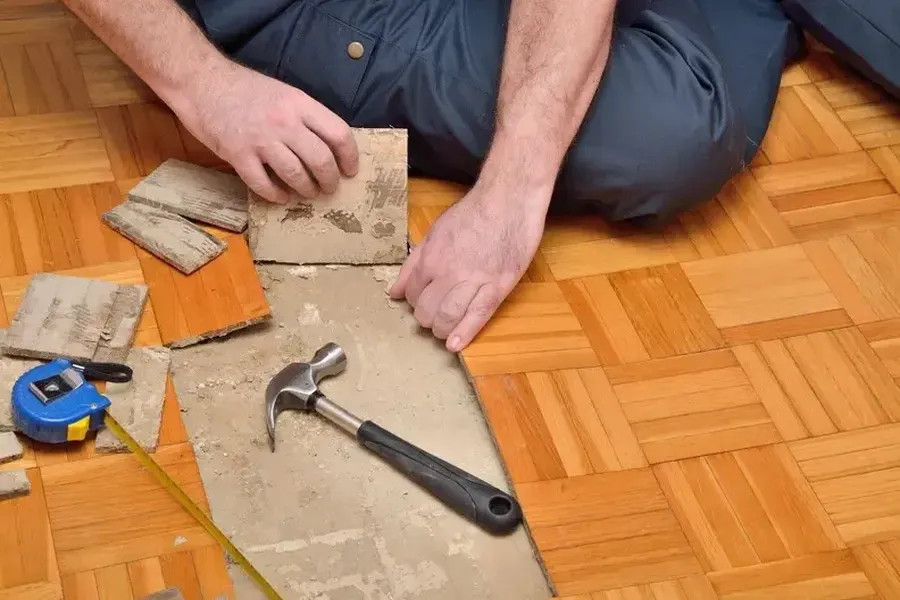
Different types of flooring have unique characteristics. Hardwood floors might show gaps or creaks, while tiles may crack or become loose. Carpet fibers can fray, and laminate could bubble or warp. Recognizing these specific signs in your material can help determine if a repair is necessary.
Noticing Visible Damage
Visible damage is one of the clearest indicators that a floor requires repair. Look out for cracked tiles, chipped wood, or torn carpet. If you see any of these issues, it might be time for some floor repair. Addressing visible damage promptly ensures your floor remains safe and aesthetically pleasing.
Observing Changes in Sound
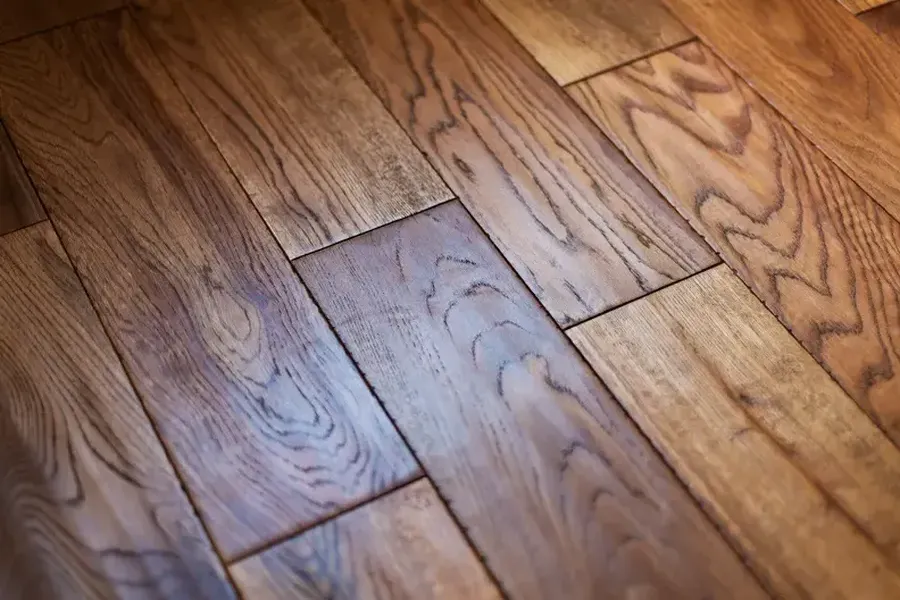
If you notice changes in sound when walking across your floor, this could signal an underlying problem. Squeaking or creaking noises often indicate loose boards or weakened subflooring. Such sounds can mean that a more thorough inspection is needed and possibly some floor repair.
Checking for Uneven Surfaces
An uneven surface could mean something is wrong beneath your floor. Warping or bulging areas suggest moisture damage or structural issues. These problems can worsen over time if not addressed properly. Ensuring your floor is level helps maintain its integrity and appearance.
Identifying Moisture-Related Problems
Moisture is a common enemy of flooring. It can cause various issues like warping, discoloration, or mold growth. Check for water stains on hardwood or bubbling in laminate as these are telltale signs of moisture exposure. Taking quick action will save you from extensive damages later.
Evaluating Wear and Tear
All floors experience wear and tear over time due to foot traffic and furniture movement. Scratches, dents, and general fading are common signs that your floor is aging. Regular maintenance and timely repairs will extend the life of your flooring material.
- Inspect floors regularly for visible damage
- Listen for unusual sounds like squeaking or creaking
- Check for moisture-related issues such as warping or discoloration
- Assess for uneven surfaces indicating structural concerns
- Monitor general wear and tear to plan future maintenance
The Importance of Professional Assessment
If you’re unsure about the condition of your floor, seeking professional advice is beneficial. Experts can provide a detailed assessment, highlighting areas needing attention and suggesting solutions tailored to your flooring type. This ensures all repairs are efficient and effective, ultimately saving you money.
Cost Considerations When Repairing Floors
The cost of repairing floors varies based on the extent of damage and flooring type. Minor fixes like replacing tiles cost less than major work involving structural repairs. It’s essential to balance quality with affordability by getting quotes from various service providers before proceeding.
Avoiding Future Floor Problems
Preventative measures are key to maintaining healthy floors. Regular cleaning, proper installation, and quick response to minor issues prevent major problems down the line. Following best practices extends your floor’s lifespan, ensuring safety and aesthetics remain intact.
Your Path to Expert Flooring Solutions
For expert guidance on maintaining and repairing your floors, reach out at (772) 244-3734. Located in Port St. Lucie, FL, I offer personalized services tailored to meet your flooring needs. At Kratos Flooring, expect top-notch solutions ensuring long-lasting results for every project.