
Boosting Safety and Grip on Surfaces
In recent years, enhancing floor safety has become a top priority for businesses and homeowners alike. Slip-resistant surfaces are critical in preventing accidents, especially in high-traffic areas like warehouses, garages, and kitchens. One effective solution is adding a special layer to concrete floors to make them less slippery. This method not only boosts safety but also adds durability and longevity to the flooring.
Understanding the Basics of Epoxy Floor Coatings
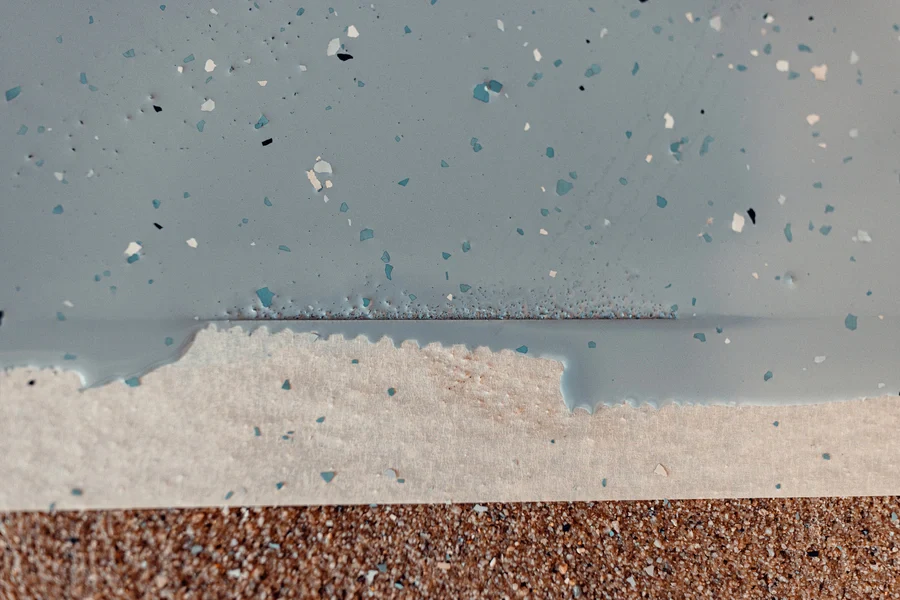
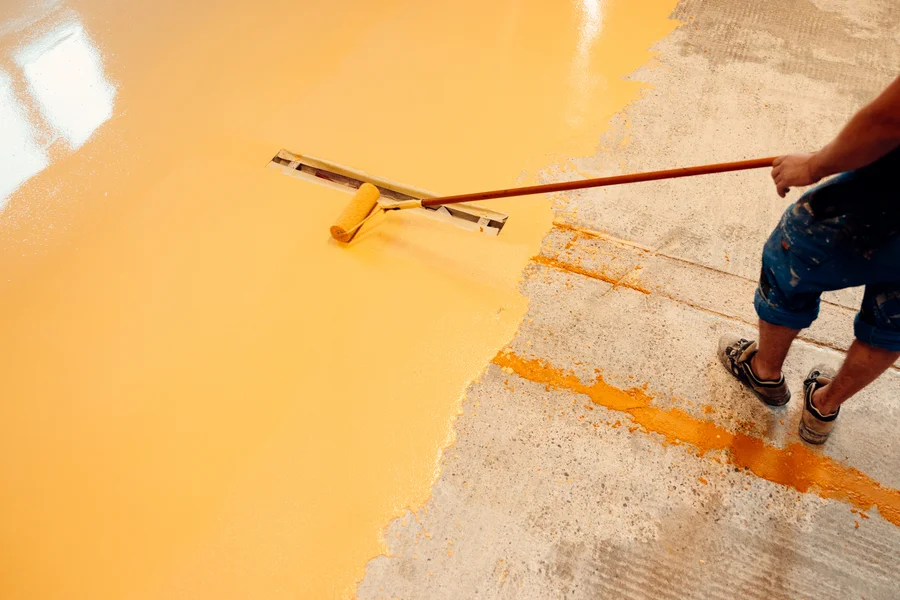
Epoxy floor coatings are an ideal choice for improving surface traction. These coatings form a hard, durable layer over existing concrete. The process involves mixing resin and hardener to create a chemical bond. Once applied, this mixture cures into a solid plastic that adheres firmly to the concrete beneath. The result is a tough, resistant surface that can handle heavy use.
The Role of Aggregates in Enhancing Grip
A key component of slip resistance in epoxy coatings is the use of aggregates. Aggregates are rough materials mixed into the coating to provide texture. Examples include sand, quartz, or aluminum oxide. These materials create a gritty surface that increases friction underfoot, minimizing the risk of slips and falls even when the floor is wet.
Advantages of Using Concrete Epoxy Coating
Applying concrete epoxy coating offers several benefits beyond slip resistance. Firstly, it provides excellent protection against spills and stains. Secondly, it enhances the aesthetics of any space with its glossy finish. Lastly, it’s easy to clean and maintain, making it suitable for busy environments where hygiene is essential.
Tackling Common Installation Challenges
While epoxy coating is beneficial, installation requires precision. A common issue is moisture trapped under the coating which can cause bubbling or peeling. To avoid this, ensure the concrete is dry before application. Temperature also affects curing time; applying coatings in extreme temperatures may lead to uneven results.
Step-by-Step Guide for Applying Epoxy Coatings
- Prepare the surface by cleaning and repairing any cracks or holes.
- Ensure the concrete is dry and free from dust and debris.
- Mix the epoxy resin and hardener according to instructions.
- Add aggregates if increased slip resistance is required.
- Apply the mixture evenly using a roller or brush.
- Allow the coating to cure fully before using the area.
Best Practices for Maintaining Epoxy-Coated Floors
To extend the life of your epoxy-coated floors, regular maintenance is crucial. Sweep daily to remove dirt and grit that can scratch the surface. Use mild cleaners and avoid harsh chemicals that may damage the coating. It’s also wise to reapply sealant every few years to maintain its protective qualities.
Cost Considerations With Epoxy Applications
The cost of applying an epoxy coating varies depending on factors such as floor size and preparation needed. While initial costs might seem high, consider the long-term savings from reduced maintenance and enhanced durability. When calculating return on investment, factor in these long-term benefits alongside upfront expenses.
Final Thoughts on Choosing Slip-Resistant Flooring
Opting for epoxy-coated floors significantly enhances safety through improved slip resistance. For those interested in upgrading their spaces, get professional advice tailored to your needs. Contact me at (772) 244-3734 for expert consultation. I operate in Port St. Lucie, FL and specialize in innovative flooring solutions with Kratos Flooring.